

By Raelynn Harris ’25
The terms “remote work” and “telecommuting” have very similar meanings, if not the same. Telecommuting is the foundation for the modern terms of working from home and remote working. Remote work was created on March 11, 2020, because of COVID-19; remote work is the most modern term coming from the original form of working offsite, telecommuting. Another result of COVID-19 is hybrid meetings, which include one-half of attendees gathered in person, and the other half individually on their computers.
Remote work helps adults and students become more productive. Without any distractions from a normal work or school environment, it’s easier to focus on the work that needs to be done. There are multiple benefits to remote work including increased productivity, saved costs, better mental health, and more happiness as well as more accessibility for everyone.
Employees working office jobs experienced many changes when working from home started, going from working in cubicles to their homes.


Working from home increases productivity; when working from home, employees are willing to work more hours and ended up getting more work done.
- In a study by Stanford, performance was boosted by 22% when employees were able to work from home.
- Mercer, an HR and workplace benefits consulting firm surveyed eight hundred employers, and 94% of the employers stated that work productivity was the same or higher since employees started working from home.
Survey data collected by Owl Labs in September 2021 of two thousand and fifty full-time workers shows:
- Respondents that worked from home were 90% more productive than when working in the office.
- 83% of workers said they were at the same productivity level or higher working from home compared to working in the office.
- 55% of respondents worked more hours remotely than in the office.
- 67% of respondents were more productive while working at home.
- 24% reported their productivity is the same while working from home.
- 55% say on average they work more hours than at the office.
A remote collaborative worker study done by ConnectSolutions in December and released February 9th showed that workers that were able to work remotely at least a few times per month showed:
- 77% had greater productivity while working offsite.
- 30% accomplished more in less time than they would in the office.
- 24% accomplished more in the same amount of time as they would in the office.
- 23% of those who telework are willing to work longer hours from home than they normally would onsite to accomplish more.
According to U.S. News & World Report, telecommuters log five to seven more hours per week than non-telecommuters, often working even when sick or on vacation.
Remote working boosts many remote workers’ happiness, giving them less stress, remote working also was beneficial for many workers’ mental health.

Survey data collected by Owl Labs in September 2021 of 2,050 full-time workers shows:
- 70% of employees working from home said virtual meetings are less stressful.
- 74% of workers said after the pandemic, working from home is better for their mental health.
Not only does remote working increase satisfaction for remote workers, but they also have developed a bias for it. As a result of experiencing remote working, many workers now have a preference for remote working, and some are even willing to take a cut in pay or find another job so they could continue working remotely.
Survey data collected by Owl Labs in September 2021 of two thousand and fifty full-time workers shows:
- 57% say that they prefer working from home full-time.
- 1 in 4 workers would quit their job if they couldn’t work remotely after the pandemic.
- 48% of people said that if they were no longer able to work remotely, they would start looking for another job that allowed more flexibility.
- In the U.S., 81% of those that worked from home during the pandemic said they want a hybrid or remote working style once the pandemic is over.
- 64% now prefer hybrid meetings.
- 84% of respondents said that working remotely would make them happier, some respondents were even willing to take a pay cut.
- 38% said they were willing to take a 5% pay cut to work remotely at least part-time.
- Almost one in two (46%) respondents would take a pay cut of up to 5% to be able to work remotely at least part of the time in the future.
- 40% would take a pay cut of up to 10%.
- 37% would take a pay cut of over 10%.
The preference for doing remote likely comes from all of the benefits both for the workers and the companies themselves.
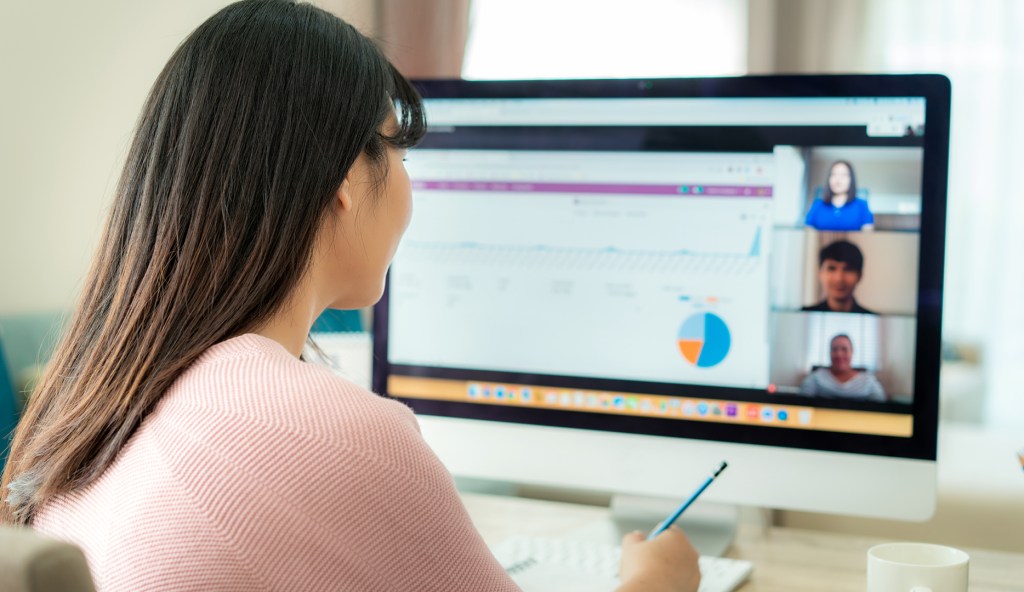
A ConnectSolutions study reported workers had multiple benefits from telecommuting:
- 30% saved five thousand two hundred and forty dollars per year in expenses like daycare, transportation, lunch, and dry cleaning.
- 50% said being able to work remotely at least some of the time made them much more likely to stay with the company.
- 45% of remote workers get more sleep.
- 35% exercise more.
- 42% eat healthier.
- 44% reported a more positive attitude.
- 53% said they’re less stressed.
- 51% spend more time with loved ones and report greater job satisfaction.
Employees of companies aren’t the only ones affected by remote work. Students of all ages were one of the most affected by the transition from in-person learning to remote, and, many students gained many benefits from it.
Most benefits of remote learning were related to increased productivity in study time for college students leading to an increase in their grades.

Evidence from a questionnaire study by Anna-Maria Bliuc and Robert Ellis in 2016 shows that the use of remote learning has increased study time, leading to college students increasing their productivity and improving their grades.
A scientific journal published in May of 2021 titled; “Student’s Learning Motivation and Interest; The Effectiveness of Online Learning during COVID-19 Pandemic,” states:
- The time lost during students traveling to their classrooms is used the time in class during remote learning.
- Through remote learning students and teachers begin their classes much faster which creates more study and class time, and as a result, students have more time to study, leading to better grades and increased productivity.
- Online classes enabled students to juggle their daily activities and studies.
The scientific paper, “College students’ experience of emergency remote teaching due to COVID-19,” published on October 13, 2020 states that learning from home enabled students to balance their free and study time.
Of course, remote learning disrupted the majority of students; it uprooted their lives and daily routines and took away their methods of staying grounded and focused. Many students ended up having a weighted feeling of isolation. Remote learning still has disrupted students today, and there are still traces of the learning loss that happened when students first started remote learning.
Although there are multiple negative effects of being remote, remote learning can also benefits students’ mental health by aiding their anxieties around not being able to perform well when in a class surrounded by their peers by giving them access to their safe space at home.
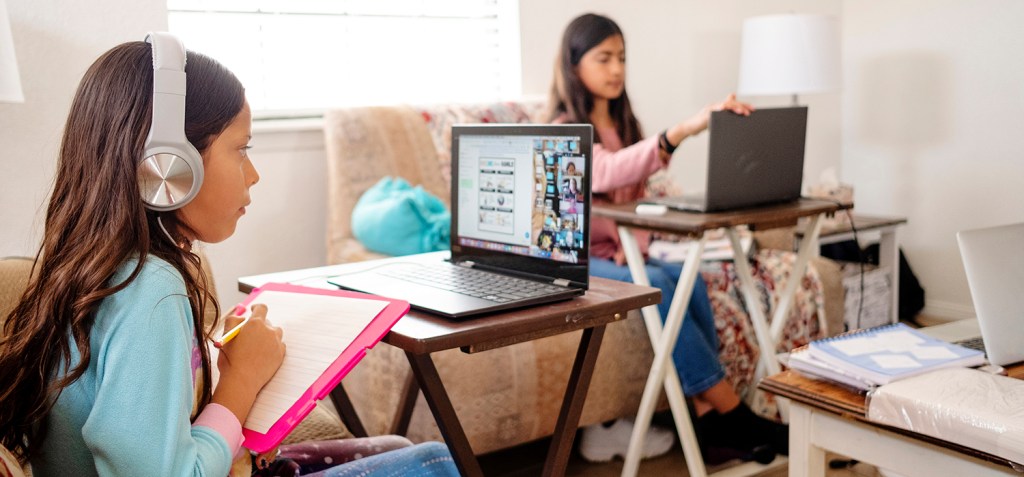
In a psychological study that took place in 2016 by Ana-Maria Bliuc and Robert Ellis, evidence showed some students experience psychological distresses such as anxiety when they are in a big classroom full of students, on the other hand, remote learning in the safety of their own homes allowed students to have reduced anxieties and a stable foundation for students to participate in class.
There are many benefits to gain when working from home because of the decreased distractions that are usually in a usual work or school environment: boosted productivity, a happier mood, and saved costs are the most common for both students and workers.
To increase and make a positive impact on the mental health and productivity of workers and students, companies and schools should offer options and resources that are flexible to people that want to have the option of remote work.
 The Raider Press