
By Jaylynn Donaldson ’25
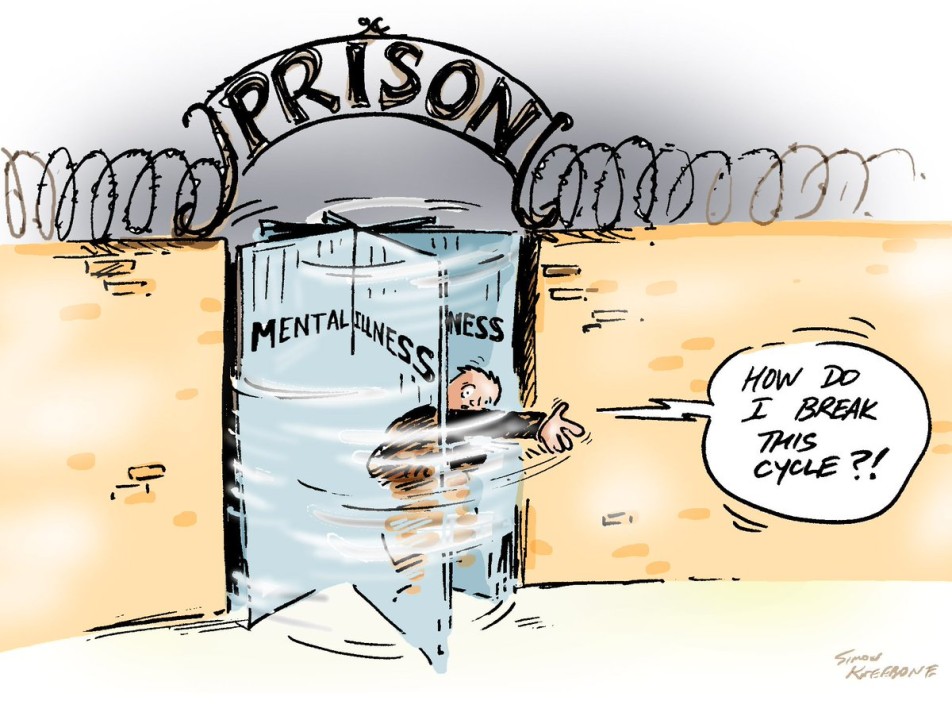
The prison system was created to decrease the amount of crimes in the US and give people a second chance. America constantly preaches that our system is fair, but it’s not. America’s lack of support for prisoners who were formerly incarcerated forces them to repeat the old bad habits that put them in prison which creates the cycle of a former prisoner being incarcerated again.
In 2023, about 1.68 million people were incarcerated. More than 600,000 people are released each year, and 44 percent of formerly incarcerated people will return to prison after their first year out. America has one of the highest recidivism rates, meaning having a relapse in criminal behavior. The lack of support former prisoners receive once they are released makes it hard for prisoners to assimilate back into society. The discrimination they face in the workplace, and the lack of rehabilitation services are the reasons why the recidivism rates are high.
Former prisoners have been left with little support from the government leaving them to navigate the world alone, especially if they have no family. Many former prisoners do not receive the proper support because of the discrimination they endure due to their criminal record. When former prisoners try to get their lives back on track, their first goal is to get a job. Still, due to the stigma about former prisoners’ reliability, and trustworthiness, many employers are reluctant to hire people with a record of incarceration.
Another reason a former prisoner may struggle to get a job is their lack of skills and education. The struggle to find a job can cause them to quit job-hunting, creating financial troubles and forcing them to return to their bad habit. For instance, someone who was convicted for selling drugs may go back to that bad habit because it was quick money and easier than searching for a job. A former prisoner should be provided with financial help such as a financial counselor to help prevent this recidivism cycle.
Rehabilitation services like health care, mental health services, substance abuse services, and assistance in different areas can prevent an incarcerated individual from being put back into the system. Mental health services are especially essential for former prisoners who are integrating back into society because some have underlying mental health issues, abuse, or trauma that heavily affects them. Without the help of therapy, counseling or support groups, former prisoners may struggle to cope with the transition back into reality. Without mental health services, a former prisoner who already struggled with substance abuse may start using harmful drugs to help cope with their return back into society. That is why substance abuse services are important because it prevents them from relapsing and instead helps them find healthy ways to cope with their stress.
Rehabilitation services in different areas such as housing, employment, education, and finances are important as well. Programs and assistance in these areas are essential to making the process of reentering society much easier. These services will help prevent the increase of recidivism and actually give former inmates a second chance.
The recidivism cycle will continue to repeat if former prisoners do not receive the proper support. If former prisoners received more support, they could avoid the bad habits that lead them to be incarcerated and get that second chance they have been wanting.
 The Raider Press