By Xa’riyah Mitchell ’25
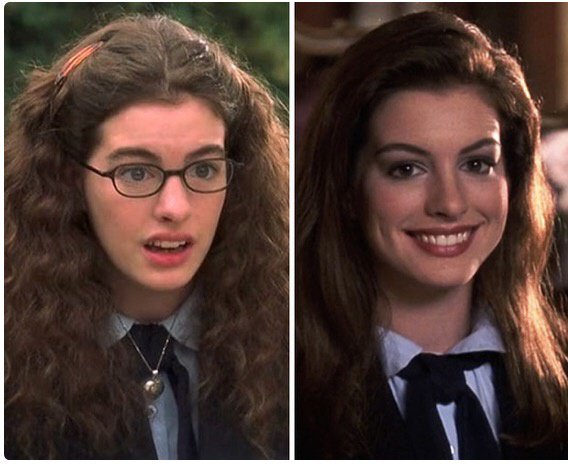
Pretty privilege is a real thing present in our society and it’s time we face reality. Pretty privilege is when a person gets special treatment, or perks, because they are considered attractive or more beautiful than others by society’s standards. It can impact various aspects of life such as jobs, opportunities, relationships, and how someone is treated overall.
Pretty privilege doesn’t just impact first impressions, it can also affect personal relationships. “I think pretty privilege is extremely detrimental because as a society we focus way too much on how people look instead of what their actual skills are and what they are capable of,” said DHS English teacher Nicole Borges. Studies show that when people are considered attractive, people assume they have positive qualities like intelligence, skills, and friendliness. This leads to better treatment and social interactions. But what’s wrong about this is how this bias can put people who don’t fit society’s beauty standards at a disadvantage.
First impressions are super important, and how attractive someone is can really shape those initial perceptions. People who are considered attractive often find it easier to connect with others and get more attention and social validation, while those who don’t benefit from this privilege may feel isolated and have lower self- esteem. Pretty privilege can have an impact on mental health as well and even contributes to feelings of inadequacy and low self-esteem. When society places such a high value on physical appearance, it can create a pressure to meet those standards. This pressure can lead to body image issues, comparisons, and feelings of unworthiness. These things can lead to mental health struggles and even increase risk of suicide.
Julissa Flores ‘25 says , “I believe pretty privilege is very real. I say it’s real because I feel like if certain people fit the world’s beauty standard and they do something wrong or problematic, they won’t get the same consequences as someone who doesn’t fit the beauty standard and did the same exact thing.” Skylar Anderson ‘28 shares a real life experience of this taking place: “Back in middle school there were a lot of people who treated me and my friend differently because she meets the beauty standard and people think she’s more attractive.”
When it comes to employment, pretty privilege has a well researched impact. Studies have shown that attractive people may have a higher chance of getting hired, promoted, or even earning higher salaries than those who are considered “less attractive.” DHS English and Drama teacher Kristin Parry talks about how in high school the retail clothing store Abercrombie & Fitch would only pick people who were really attractive employees. “If you went into their store and you were trying things on or going shopping they would pick certain people to employ and it was said they only picked people who were really attractive.” said Parry. This just goes to show how being pretty is a privileged and plays a role in jobs.
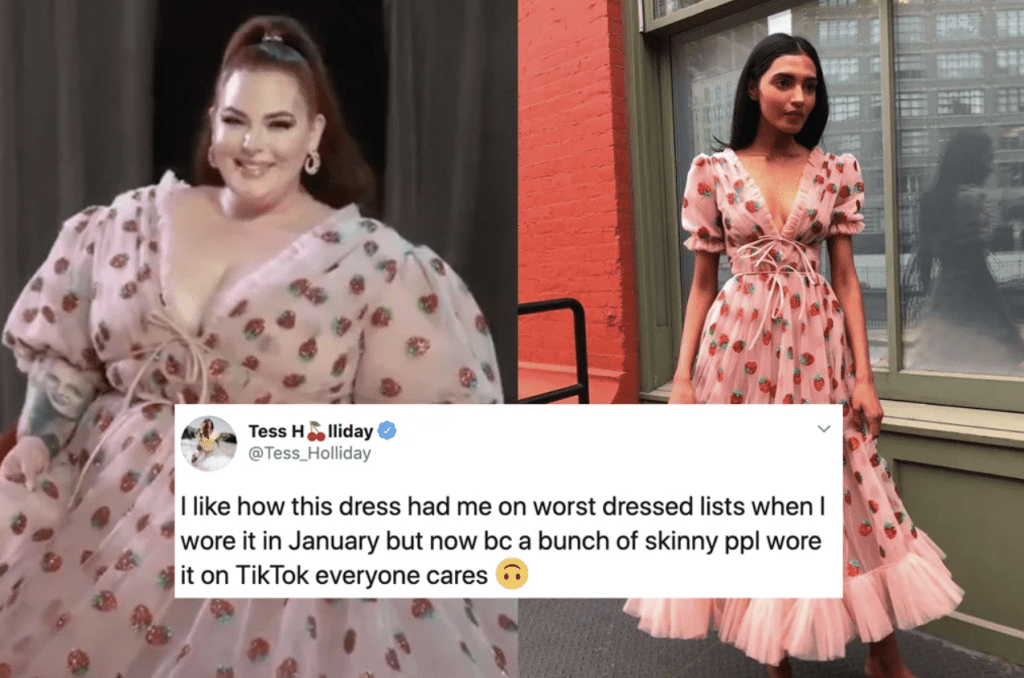
Social media has a huge impact in promoting beauty standards that can be unattainable and unrealistic. Airbrushed images and overly edited and curated representations of beauty create an idea that attractiveness equals worth. It’s like social media set this impossible high standard that contributes to pretty privilege. “On TikTok, you see random people blowing up solely on the fact that they look good. For example, Alix Earle. She’s great but she blew up for doing nothing but looking good, while another girl might post something on TikTok and she doesn’t look a certain way that people want her to look, and she’s not getting the same type of fame that she should,” said Borges.
Acknowledging that pretty privilege is real is the first step towards building a more inclusive society. Even though we can’t change the fact that people are naturally drawn to beauty, being aware of this privilege will help us move forward and strive for fairness. It’s important that we promote inclusivity and recognize that everyone has unique qualities that make them valuable beyond just looks. Let’s keep spreading awareness and working together to create a society/world where everyone feels valued and appreciated for who they are.
 The Raider Press