

By Xa’riyah Mitchell 25′
The talk about whether or not transgender people should be allowed to compete against athletes of the opposite sex is very controversial. This conversation touches on deeply held beliefs about gender identity, fairness in competition, and the integrity of sports. People have strong opinions on both sides. I believe that when it comes to this matter, transgender people should not be allowed to compete against their opposite sex.
One of the primary concerns is the issue of fairness. Biological differences between male and females often means physical advantages in sports. For example, biological males typically have greater muscle mass, bone density, and lung capacity than biological females. These advantages stay even when transgender women undergo hormone therapy. According to the Alliance Defending Freedom, “It’s not often that you hear of controversy involving female athletes competing in men’s sports. And the reason for that is simple and obvious: males have a physical advantage over females in athletics.” Male athletes are often more physically capable in many sports, this explains why there’s less controversy about female athletes competing in men’s sports, as they are less likely to dominate or pose the same level of competitive threat.
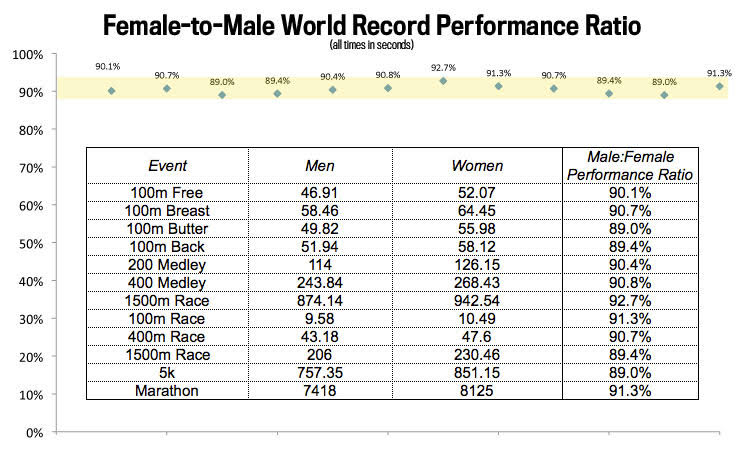
Statistical data supports this view, showing that male athletes generally outperform female athletes in numerous sports. “For athletic events and sports relying on endurance, muscle strength, speed and power, males typically outperform females by 10% – 30% depending on the requirements of the event,” says Sandra K.Hunter, of The National Library of Medicine. This performance gap could undermine the competitive balance in women’s sports if transgender women are allowed to compete against cisgender women, thereby diminishing opportunities for cisgender female athletes to thrive and receive recognition.
Safety is another significant concern. In contact sports, physical disparities between biological males and females can increase the risk of injury. Transgender women, due to their greater physical strength and size, may pose a higher injury risk to biological women. Even with hormone therapy, they still have greater advantage due to their biology, which could result in dangerous mismatches during competition.
Women’s sports were established to provide a fair and equitable playing field for women, who have historically been excluded from competitive sports. Allowing transgender women to compete in women’s sports could potentially undermine these efforts and reduce the competitive opportunities available to biological women. “Allowing males to compete against female athletes in track and field could allow ‘many who would not be considered top tier male performers’ to replace the world’s most skilled female athletes on the podium,” says Dr. Brown from the Alliance Defending Freedom. This would be just unfair to do to women who are in sports and work hard to get where they are and also very degrading.
Title IX, designed to ensure equal opportunities for women in education and athletics, is also at stake. Title IX is a U.S law passed in 1972 that prohibits sex-based discrimination in any educational program or activity receiving federal funding. This means schools and colleges that get federal money must ensure equal opportunities for both males and females in academics, sports, and other activities. Allowing transgender women to compete in women’s sports conflicts with the intent of title IX by creating an uneven play field; this is potentially disadvantageous to biological female athletes.
Some believe that we could address these concerns by creating a separate category or division for transgender athletes. This approach could help maintain fairness while still allowing transgender athletes to compete and showcase their skills. Another suggestion is implementing an open category where athletes, regardless of gender identity, can compete. This could preserve the integrity of women’s sports while providing a competitive space for all athletes.
The debate over transgender athletes is complex and multifaceted. However, the primary concerns revolve around fairness, safety, and the preservation of opportunities for cisgender women. By considering these factors, policymakers and sports organizations can work towards solutions that respect the rights of all athletes while maintaining fair and competitive sport environments.
 The Raider Press