By Xa’riyah Mitchell ’25
In today’s modern age, one wrong tweet, comment, or mistake can send someone’s reputation into a collapse, crashing their careers, friendships, and sometimes even their personal lives. Welcome to the era of cancel culture, where the internet is both a platform of expression and a digital courtroom. It’s like a survival reality TV show, where the stakes are high, the rules are constantly changing, and one wrong move can get you kicked off the island for good.
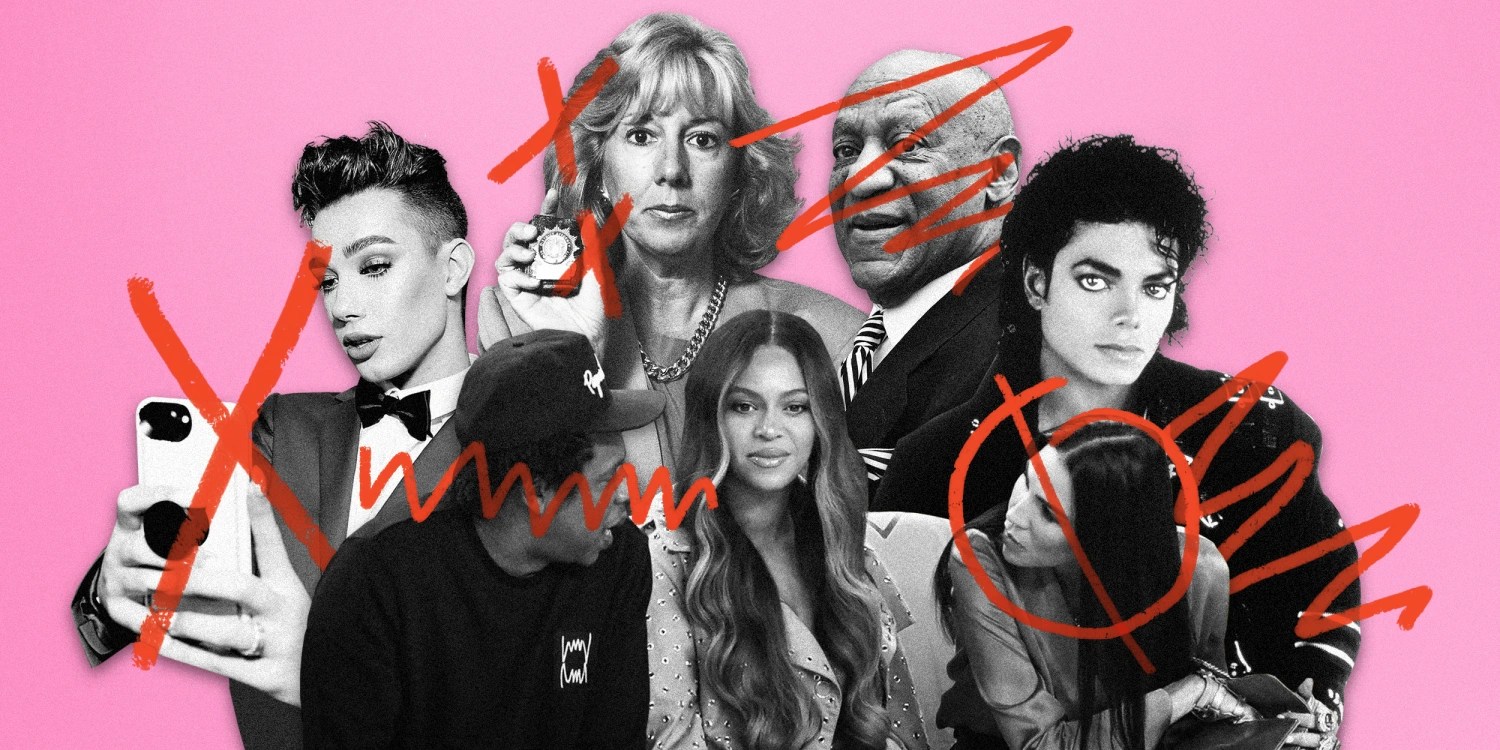
What is cancel culture? Cancel culture is the viral phenomenon where people, especially public figures, are “canceled” or boycotted and forced to face consequences for using offensive remarks, actions, or beliefs. While it can be a tool for social justice, it often operates more like an unpredictable rollercoaster that never stops. Cancel culture can be both a blessing and a curse in the world we live in today.
It seems the days when a private mistake could stay within a small circle are gone. Now, the second someone posts something on social media, it could be dissected by millions, regardless of their intentions. One slip-up, a poorly worded joke, or an old conversational post someone made back in 2011, can lead to a full cancellation frenzy. And once you’re “canceled,” it’s like trying to shake off a bad reputation in a small town. Everyone knows, everyone talks, and it sticks like glue.
Take for example, someone like James Gunn, the director of “Guardians of the Galaxy.” Tweets he posted years ago resurfaced, and bam, he was fired. After some time, public support rallied behind him, and he was reinstated. Or, if someone used TikTok back in 2020, they probably remember someone by the name of Chase Hudson, Lil Huddy. Chase found himself under fire in 2020 after old tweets emerged showing him using offensive language, including the n-word. The backlash was intense, and he issued an apology, but a lot of fans wouldn’t let go of this incident and started spamming jokes, calling him things like a “Black King,” and sending death threats. His likes went from almost 3,000,000 per video to as little as 3,000. Today, he’s completely unheard of, and nobody seems to know what he’s up to. Were these cases of the internet overreacting? Maybe, but, that’s the thing with cancel culture: it makes us hit the “pause” button on human nuance. People can change, but do they get the chance?
Here’s when things get a little unpleasant. Cancel culture isn’t always about someone being an outright villain. Sometimes, it’s about a single tweet, an awkward comment, or an outdated opinion. Just like that, someone’s whole life is turned upside down. Imagine you’re a comedian telling jokes in the early 2000s, not thinking too much about how it will affect you 20 years later. Fast forward to 2024, and those same jokes, which were considered hilarious, can lead to you being canceled for being too “problematic.” Take Kevin Hart, for example. He was set to host the 2019 Oscars, but old homophobic tweets surfaced, and he was quickly pressured to step down.
Kevin apologized, but it was too late. The damage was already done. His apology wasn’t enough for some, showing the paradox of cancel culture. It can be less about accountability and more about rigid standards that are hard to meet.

It’s easy to think that celebrities are the only ones affected by canceled culture, but in reality, canceling affects all kinds of people, especially marginalized groups who already face unfair scrutiny. When a public figure is canceled, it’s bad enough, but now imagine a normal, everyday person. Getting canceled might feel like having your reputation permanently ruined, making it harder to bounce back. Women, especially women of color, and LGBTQ+ individuals, are often targeted more by cancel culture. These groups already face biases in the media and public life, and cancel culture can make things worse when they make mistakes. In the rush of online outrage, it can feel like small missteps are punished without understanding the context or allowing for growth.
If we’re being honest, not every cancellation makes sense. Some are justified, like when a public figure is exposed for something as serious as sexual harassment or racism. But then there are some cancellations that make you scratch your head and say, “Wait, why are we doing this?” Consider the case of Shane Dawson, a YouTuber who found himself in the hot seat after past problematic videos resurfaced where he made inappropriate jokes about children and other sensitive topics. While Dawson had apologized and seemed to have changed his ways, the backlash was severe and wide-reaching. On the flip side, other cancellations seem downright ridiculous. Someone can get canceled for simply liking a tweet, sharing an unpopular opinion, or wearing the wrong outfit at a public event. In these cases, The internet’s judgment often feels like a quick, emotional reaction more about jumping on the bandwagon of outrage than addressing real harm. It’s driven more by public shaming than by a genuine desire for accountability.
Cancel culture raises important questions about forgiveness, growth, and accountability. While it makes people more cautious, we have to ask: Are we really allowing room for people to learn from their mistakes, or are we just punishing them? If we want genuine accountability, we need to think about whether we’re helping people grow or just seeking a quick win online.
 The Raider Press