
By Jayla Anderson ’26
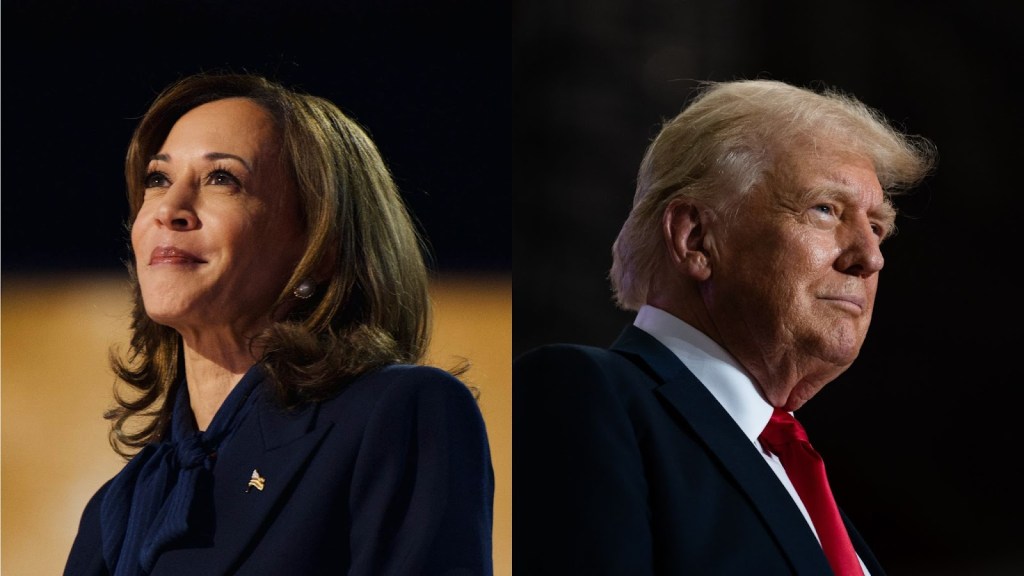
On November 5, 2024, former President Donald Trump returned to the political forefront. He won the presidential election against current Vice President Kamala Harris in a dramatic election.
Trump’s victory was received by winning back states that had leaned Democratic in the 2020 presidential election. While campaigning, Trump focused on improving the economy, and lawfulness, and promised to address unresolved issues such as inflation and unemployment. His promises strongly matched the beliefs of voters in those regions. States like Michigan, Pennsylvania, and Wisconsin, were some of the main states that had been crucial to Joe Biden’s 2020 win. In this 2024 election, these states returned to the Republican side and heavily contributed to Trump’s electoral success.
According to election data from CNN.com, Trump received the necessary 270 electoral votes with new backing from various voter segments, including working-class individuals and rural populations. On the other hand, Harris struggled to keep the alliance alive that brought Biden to victory in the 2020 election. She struggled to maintain the excitement amongst minorities and younger voters, who are mainly seen as Democratic allies.
Not only did the Republican party gain control of the presidency, they also gained control of the Senate, taking control from the Democratic party.
In this year’s election, the voter turnout was at a historic high. Nearly 60% of eligible voters cast their ballots. This reflected an ongoing trend observed in earlier elections. It highlights the heightened political involvement of people who can vote. The polls revealed clear divides based on education, income, and geography.
Additionally, the results have triggered many discussions on the implications of elections to come. There are many concerns about the Democratic party’s ability to regain the votes of traditionally blue states and maintain relevance in national conversation due to the Republican control in many regions.
The 2024 U.S. Presidential election has revealed evolving voter preferences across the nation. As the 47th president of the United States prepares to take office, the country is getting ready for a change in American politics marked by the potential for important policy shifts.
The aftermath of the 2024 election, sets the tone for the 2028 election as both parties fight to gain control.
 The Raider Press