
By Xa’riyah Mitchell ’25
Black communities have been the blueprint behind some of the most influential and transformative music genres in history. From jazz to hip hop, the sounds that originated from Black culture have shaped music globally in significant ways. Even though they created some of the most influential music, their contributions are often taken without credit. Cultural appropriation in music, particularly within Black music genres, is a topic that has sparked ongoing debates and discussions. While Black culture has shaped global music, outsiders often profit from it without acknowledging where it came from. Cultural appropriation in music isn’t just about trying out new styles; it’s about taking advantage of them for profit.
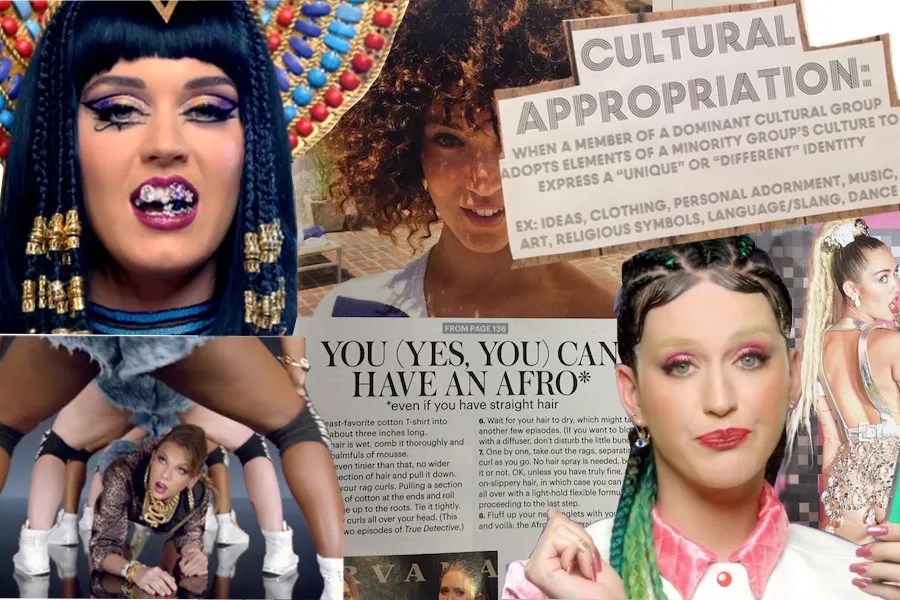
Cultural appropriation in music is when someone adopts elements from a marginalized culture, particularly Black culture, and uses them without proper respect, understanding, or acknowledgment. Cultural appropriation can show up in different ways, like taking musical styles, fashion, dance moves, or even language. What makes it a problem is that these things are often turned into trends or products without understanding their true meaning. The original creators usually come from marginalized communities and get little to no credit or compensation for what they’ve made.
Black musicians have played a major role in shaping countless music genres like jazz, blues, soul, rock, R&B and hip hop. However, despite creating these popular sounds, Black artists have faced racism, discrimination, and marginalization from the mainstream. When their music became popular worldwide, a lot of white artists often profited from these genres without recognizing the struggles of Black musicians who created them. This pattern existed for years, from the rise of jazz and blues to the widespread popularity of rock and roll in the 1950s-60s. For example, white artists like Elvis Presley became super famous for adopting Black sounds and “popularizing them”, taking credit from the artists he gained inspiration from but giving them little to no recognition or acknowledgment. This led to a huge imbalance where Black artists who created music were ignored while white performers got the credit for playing the same sound. “To say that Elvis was so great and so outstanding like he’s the king…the king of what?” Singer Ray Charles said this in a “Vanity Fair” article. “I know too many artists that are far greater, singers like Nat King Cole, who got assaulted by white audiences for performing rock music, while Elvis received widespread acclaim,” Charles further expressed.
While Presley is often credited with bringing rock and roll into the mainstream, his rise to fame happened at the hands of Black artists, many of whom didn’t get the same recognition or success. A clear example is, according to the documentary “Return of the King: The Fall and Rise of Elvis Presley,” the hit song “Hound Dog,” which he made famous. The song was written by Jerry Leiber and Mike Stroller but was originally recorded by Big Mama Thornton, a black artist whose version was deeply rooted in blues and gospel. Despite Thornton’s original version, Presley’s version became a massive success, overshadowing her contributions and highlighting how black artists were often erased from the spotlight.
In later years, artists like Miley Cyrus and Iggy Azalea have also faced accusations of cultural appropriation. According to “Teen Vogue,” Cyrus was mainly criticized for her “Bangerz” era when she started adopting hip-hop culture through fashion, dance moves, and a hip-hop-inspired sound. But the problem is she did this without acknowledging the deeper social and racial issues tied to it.

Photo from Teen Vogue: A tweet confronting Cyrus’s appropriation of Black culture.
People argued that she used Black culture for media gain without respecting its history. Similarly, Iggy Azalea sparked debates when she started using African American Vernacular English (AAVE). A lot of people felt like she was mimicking black culture, profiting from it without addressing the historical context behind it.
Cultural appropriation can be harmful because when celebrities and influencers use black culture as a passing trend instead of acknowledging the art it truly holds, this reduces Black artist’s opportunities for recognition and financial compensation, while also turning their culture into a commodity. Additionally, appropriation can reinforce harmful stereotypes by reducing cultural elements to superficial trends, ignoring their deeper social and historical significance. It’s important to separate cultural appropriation from cultural appreciation. Cultural appreciation involves learning about, respecting, and crediting the culture being engaged with. It may include collaborating with artists from that culture and acknowledging their historical contributions. In comparison, cultural appropriation is when someone uses elements of a culture for personal gain without understanding or giving credit, benefiting from the culture while leaving the original community behind.
To avoid cultural appropriation, artists should educate themselves about the culture they engage with, collaborate with creators from that culture, and credit original voices. Acknowledging their privilege and the contributions of Black artists helps combat erasure. The conversation about cultural appropriation is ongoing, and the industry must work toward fairness, honoring Black artists’ legacies to create a more equitable music landscape.
 The Raider Press