
By Ava Umpierre ’27
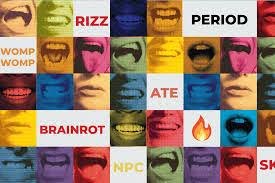
As slang from TikTok and Twitch spreads rapidly through middle and high schools, teachers say they are increasingly confronted with a choice: adopt “brain-rot” vocabulary to build rapport with students, or hold the line on traditional classroom language. The surge of terms such as “rizz,” “gyat,” and “six-seven” have prompted educators to consider how closely they should align with the digital culture that influences students’ daily speech.
More than four in five secondary school teachers recently told a British Council survey that they often have to look up slang or online expressions used by their pupils. Roughly 22 percent say they “always” check words, and nearly 30 percent “often” do.
“I feel as if I quote them all the time,” DHS student Shirley Diglio-Guerrette ’27 shared. “Every time I’m in math class, I’m compelled to say six-seven.” Diglio-Guerrette shared that she fears that her vocabulary of brain-rot will jeopardize her future career. “It’s a part of our culture, so it’s something that all kids our age can relate to,” Diglio-Guerrette stated. Diglio-Guerrette finds it humorous that students are learning such important topics in school, only to be countered with unserious slang. “Freshmen are learning about how children are made, and all they can think about is six-seven.”
For some teachers, learning students’ language is more than casual curiosity; it’s a way to build rapport and show they understand student culture. As reported in Education Week, nearly 40 percent of teachers opposed banning slang in classrooms; 36 percent said that normalizing slang can reflect respect for students and their cultural identity.
“Social media spreads memes and slang rapidly, resulting in more references than my generation,” said DHS Art teacher Sara Sicona. “Using brain-rot terms outside of school, like a job, will hurt them, which is why I work with them,” Sicona states.
But the influx of slang has also raised concerns about clarity, professionalism, and classroom tone. Older educators, especially, say they struggle to keep up with new expressions. These expressions contain things like “rizz,” “cap/no cap,” or “67/6-7,” shift in meaning, or emerge so quickly they may already be outdated by the time they learn them.
Band teacher Nick Ruel believes that “brain-rot” is another term for memes, which are generational. “My generation said and did stupid things too, Ruel stated, “In the 2000’s we had our versions of brainrot too.” Ruel believes that Gen-Z did the same things that his generation did, but it is just exemplified due to social media. “There is so much more ‘brain-rot’ nowadays because of how much phone usage there is,” Ruel says, “we consume so much short form that gives us a boost of dopamine that we just crave more.”
Still, the rise of “brain rot” as a cultural touchpoint highlights broader concerns about the influence of digital media. That shift presents a delicate dilemma for educators: ignore the slang and risk disconnect; adopt it and risk undermining professional boundaries. Some schools are addressing this by encouraging code-switching, letting informal slang surface in casual settings, but preserving formal language for lessons, assignments, and official communication.
 The Raider Press