
By Alison Echeverria Soto 26’
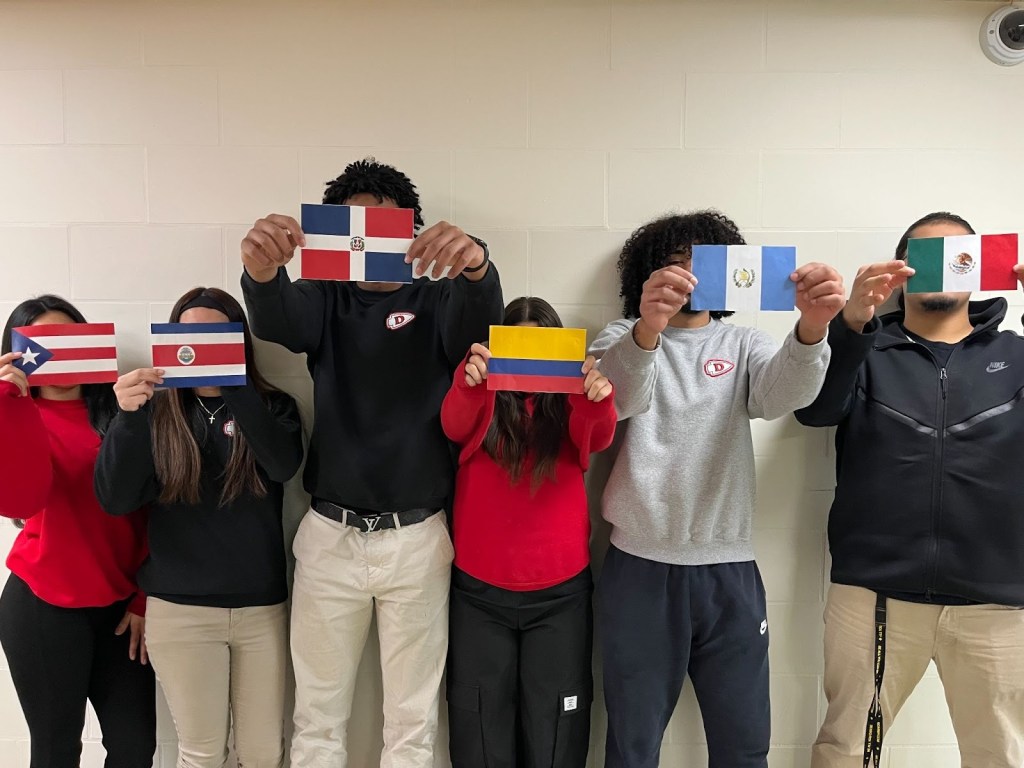
People often assume that all Hispanics share the same culture, traditions and lifestyle, but that is far from the truth. It is sometimes nearly impossible to separate someone from their Caribbean roots, whether reflected in their lifestyle or their music. At the same time, Hispanic cultures from Central and South America often reflect very different lifestyles, traditions and musical influences than those found in the Caribbean, showing how these regions have developed distinct cultural identities shaped by their history, geography and artistic expression.
People often ignore the differences between Caribbean and Central/South American hispanics. The differences extend beyond appearance, including variations in dialect, culture, and music. Caribbean Hispanics, for example, are heavily influenced by African, Taíno, and Spanish traditions, while Central and South American cultures tend to have a stronger indigenous and European colonial influence. Even if we share the same language we are far from similar, having many cultural shocks if you travel to different countries between South America and the Caribbean.
There are many common misconceptions that Caribbean Hispanics hold against South and Central Americans, often rooted in differences in language, traditions, and cultural expressions that are not always fully understood or appreciated. One of the biggest differences is the accents each country has, with each having their own accent and slang. Some examples of this across every Hispanic country are in Central America; El Salvador uses the word “guanacadas,” (refer to each other) or “nicas” (refer to each other) in Nicaragua. They are characterized by the heavy use of the “voseo” (using vos instead of tú) and unique terms for friends, money, and cool things. While in some South American countries, “Che”(hey) and “boludo”(dude) are used in Argentina and Uruguay, “weón” in Chile, and “vaina”(matter) in Colombia/Venezuela. Lastly, in the Caribbean, Dominican Republic, Puerto Rico, and Cuba, have some shared slang terms, like “vaina”(thing/stuff), “pana” (buddy), and “chévere” (cool). Nonetheless, what we all have in common is using the same language to communicate, even if we have different slang and sometimes dialects, we can still come together as one and be united.
There is another stereotype that Hispanics adore soccer, but you will learn over time that not every country adores the sport and some prefer a different one altogether. Dominican Republic, Puerto Rico, and Cuba often have a preference of baseball, basketball, boxing, and even volleyball, separating us from the other Hispanic countries who adore soccer.
Caribbean and Central/South American Hispanics often have very different approaches to family living arrangements. In many Central and South American cultures, it is common for multiple generations to live under one roof, a practice shaped by strong cultural values, economic factors, and close family support systems. This arrangement often strengthens daily family connections and reinforces a collective sense of responsibility. In contrast, Caribbean Hispanics are generally less inclined to live with extended family and tend to prioritize independence and establishing their own household. While family bonds may still be strong, many prefer the comfort and privacy of their own home while focusing on the family they have created.
Caribbean cultures are especially unique because of their diversity, as the region is one of the most ethnically diverse in the world. The Caribbean has also produced many globally influential music genres, including salsa, bachata, reggaeton, merengue, menudo, and bomba. In addition, Caribbean Hispanics are often seen as more outgoing, loud, and social compared to cultures in countries such as Chile and Argentina, where people tend to be more reserved. Another noticeable difference is language: Caribbean Spanish is typically spoken at a faster pace and includes distinctive vocabulary and expressions.
While Caribbean Hispanics may have distinct ways of living and different traits that set them apart, these differences highlight the rich diversity within Central and South Hispanic heritage, each bringing their own valuable cultures and perspectives to the table.
 The Raider Press